


Is 800 kWh of Electricity Is Enough? Here’s What You Should Know

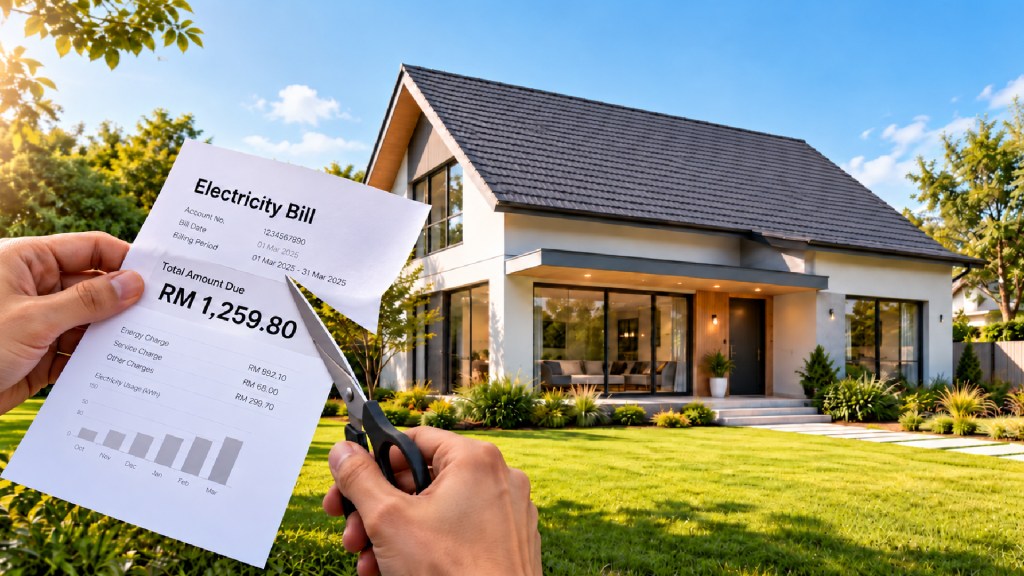
The monthly electricity usage threshold has increased from 600 kWh to 800 kWh. But how much electricity is 800 kWh, really? If you have been wondering the same thing, you are not alone. Recently, the government announced an increase in the domestic electricity bill protection threshold from 600 kWh to 800 kWh per month for electricity consumption from September to 31 December 2026.
For domestic users who consume 800 kWh or less per month, the applicable exemptions include Automatic Fuel Adjustment (AFA) charges, retail charges and Sales and Service Tax (SST). The reduction for September's electricity consumption will be credited to October's electricity bill.
This change raises the previous threshold by 200 kWh, or approximately 33%. But here is the real question: Is 800 kWh enough for a typical household? And which home appliances consume the most electricity? Let's break it down and find out how everyday appliances contribute to your monthly electricity usage.
Is 800 kWh of Electricity Enough for a Household?
First, 800 kWh is equivalent to 800 units of electricity. If your household consumes 800 kWh per month, that works out to an average of approximately 26.7 kWh per day. Sounds like a lot, right? However, this energy is shared across all the electrical appliances in your home.
Think about your refrigerator running throughout the day, your air conditioner keeping your bedroom cool at night, the TV you watch after work, and the washing machine you use to tackle the laundry pile. Add your lights, fans, rice cooker and air fryer to the mix, and your electricity usage can quickly add up.
That is why understanding your household's overall consumption is more useful than focusing on just one appliance. Your daily habits, the number of people in your home and the appliances you use all play a part.
How to Calculate Your Home Electricity Usage
Calculating electricity consumption is easier than you might think. You just need to know the appliance's power rating and how long it operates.
The basic formula is: Electricity consumption (kWh) = Power (kW) × Usage time (hours)
For example, if an appliance uses 1.0 kW of power and operates for 8 hours:
1.0 kW × 8 hours = 8 kWh
Simple, right?
Keep in mind that this is a basic example. Actual electricity consumption depends on the appliance's power rating, model, settings, energy efficiency and usage patterns. Some appliances also cycle on and off rather than operate at full power continuously.
Which Home Appliances Consume the Most Electricity?
When it comes to electricity consumption, many people immediately think of the air conditioner. And that makes sense, especially if it runs for several hours every day. However, there is no single answer that applies to every household. An appliance's electricity consumption depends on how much power it uses and how long it operates.
Here is a quick look at common household appliances and their typical usage patterns.
Electrical appliance | Example usage pattern |
❄️ Air conditioner | 8 hours a day |
🧊 Refrigerator | Operates throughout the day, cycling as needed |
📺 TV | 5 hours a day |
🧺 Washing machine | 1 wash cycle a day |
🍚 Rice cooker | 2 hours a day |
🍳 Air fryer | 30 minutes a day |
💨 Fan | 8 hours a day |
These examples illustrate how appliances are used, rather than their exact electricity consumption. Actual usage varies according to the appliance's wattage, capacity, settings, energy efficiency and operating conditions.
So, instead of asking, "Which appliance uses the most electricity?", a more useful question might be: "Which appliances do I use most frequently, and for how long?"
Does Running an Air Conditioner for 8 Hours a Day Use a Lot of Electricity?
Air conditioners are often one of the first appliances people look at when trying to understand their electricity bills. After all, with Malaysia's hot weather, switching on the air conditioner can feel almost essential, especially at night. However, an air conditioner's electricity consumption depends on more than just its operating hours.
What Affects an Air Conditioner's Electricity Consumption?
Several factors can influence how much electricity your air conditioner uses:
- Horsepower (HP):
The cooling capacity should match your room's size and cooling requirements.
- Inverter technology:
Inverter models adjust compressor speed according to cooling demand.
- Temperature settings:
Lower temperature settings can increase cooling demand.
- Room size:
An air conditioner needs to be suitable for the space it is cooling.
- Usage duration:
Longer operating hours generally mean more energy consumption.
- Outdoor temperature:
Hotter conditions can increase the cooling workload.
- Filter condition:
Dirty filters can affect airflow and cooling performance.
- Energy efficiency:
Different models can consume different amounts of electricity under similar conditions. For example, an air conditioner running for 8 hours a day will generally have more opportunity to consume electricity than one running for only 3 to 4 hours a day, although the actual difference depends on operating conditions. If you use your air conditioner frequently, do not look at the purchase price alone. It is also worth considering its energy efficiency and potential running costs over time.
What About Refrigerators? Do They Use a Lot of Electricity?
Unlike air conditioners, which may only be switched on at certain times, refrigerators need to maintain a suitable temperature to keep food fresh throughout the day. However, this does not mean a refrigerator draws its full rated power continuously for 24 hours. Its compressor cycles on and off as needed, and actual electricity consumption depends on several factors.
These include the refrigerator's model, capacity, compressor technology, temperature settings, door-opening frequency, placement and energy efficiency.
5 Simple Ways to Help Your Refrigerator Run Efficiently
- Avoid opening the door too frequently
Every time you open the refrigerator door, cold air escapes and warmer air enters. Limiting unnecessary openings can help reduce the cooling workload.
- Let hot food cool slightly before storing it
Avoid placing very hot food directly into the refrigerator. Allow it to cool appropriately before storing it, while following food safety recommendations.
- Allow enough ventilation space
Avoid placing your refrigerator too close to walls or heat sources. Follow the manufacturer's recommended clearance to allow proper ventilation.
- Check that the door seals properly
Inspect the door gasket for signs of wear or damage. A good seal helps prevent cold air from escaping.
- Choose the right refrigerator capacity
Consider your household size, food storage habits and available space when choosing a refrigerator. A suitable capacity helps you avoid paying for space you may not need.
Do Washing Machines and TVs Affect Your Electricity Bill?
Absolutely! TVs and washing machines also contribute to household electricity consumption. The difference is that their usage is often limited to certain periods rather than spread continuously throughout the day.
Let's look at how you can manage their usage more efficiently.
🧺 Washing Machines
Doing laundry more efficiently does not mean washing fewer clothes when they need cleaning. It simply means making better use of each wash cycle.
Here are a few practical tips:
- Wash suitable loads together: Avoid running multiple small loads when a properly sized load would do the job.
- Choose the right wash programme: Select a cycle that suits the fabric type and level of dirt.
- Avoid unnecessary wash cycles: Plan your laundry to reduce repeated washing when possible.
- Follow the recommended load capacity: Avoid overloading the machine, as this can affect cleaning performance.
If your washing machine has a larger capacity, make the most of it by planning your laundry loads sensibly.
📺 Televisions
A television may not always consume as much electricity as certain high-power appliances, but its power rating and daily operating hours still matter.
Think about how often your TV stays on from the afternoon until bedtime. Is anyone actually watching it?
If the answer is no, it might be time to reach for the power button. Small changes in everyday habits can help avoid unnecessary electricity consumption.
5 Easy Ways to Reduce Your Home Electricity Consumption
Reducing electricity usage does not mean sitting in the dark or giving up your air conditioner completely. Sometimes, a few small changes to how you use your appliances can make a difference.
Here are five practical ways to get started:
- Choose Energy-Efficient Appliances
When shopping for new electrical appliances, do not focus on the purchase price alone. Consider the energy efficiency rating, capacity, features and estimated electricity consumption over time. An energy-efficient appliance that suits your household's needs may help reduce running costs over its lifetime.
- Use Appliances Only When Needed
An air conditioner running in an empty room or a TV playing to an empty living room can add to your electricity consumption without providing much benefit. Make it a habit to switch off appliances when they are no longer needed. You can also use timers or suitable smart controls to manage operating hours more conveniently.
- Maintain Your Appliances Regularly
Proper maintenance helps appliances perform as intended and may prevent issues that affect their efficiency. For example, clean your air conditioner's filters regularly according to the manufacturer's instructions. For refrigerators, keep the ventilation areas clear and check the door seals periodically. Always follow the recommended maintenance guidelines for your appliances.
- Consider Inverter Technology
If you frequently use appliances such as air conditioners or refrigerators, inverter technology is worth considering when comparing new models. Inverter technology allows a compressor or motor to adjust its operating speed according to demand, depending on the appliance and its design.
However, do not choose a product based on the word "inverter" alone. Compare its energy efficiency, capacity, features and suitability for your household before making a decision.
- Consider Upgrading Older, Less Efficient Appliances
Sometimes, upgrading is not just about getting the latest model. If an older appliance breaks down frequently, performs poorly or requires increasingly expensive repairs, it may be worth comparing newer alternatives.
Look for models that match your actual needs and offer suitable energy efficiency. Over time, choosing the right appliance can help you manage household electricity consumption more thoughtfully.
800 kWh Is Not a Licence to Use Electricity Without Limits
Although the electricity bill protection threshold has increased from 600 kWh to 800 kWh, it does not mean we should stop paying attention to our electricity consumption. Rather than thinking, "My usage is below 800 kWh, so I can leave the air conditioner on all day," take this opportunity to understand how electricity is used in your home.
Once you know which appliances contribute more to your consumption, it becomes easier to adjust your habits, choose suitable products and make smarter purchasing decisions. Remember, your actual electricity bill depends on your total consumption and the applicable tariffs, charges and exemptions. Staying below a particular threshold does not necessarily mean your entire bill will be free of charges.
Planning an Appliance Upgrade? Make a Smarter Choice with Senheng
Now that you have a better understanding of where your household electricity goes, it is time to think about what you can improve. If your old appliances are starting to show their age, or you are looking for models that better suit your household's needs, Senheng is a great place to start exploring your options.
From air conditioners and refrigerators to washing machines and other home essentials, compare different models, features and energy efficiency ratings before deciding which appliances are right for you. What's more, eligible purchases may come with S-Coin Cashback, giving you rewards that can be used towards future purchases, subject to the applicable terms and conditions.
Ready to make your next home upgrade? Visit senq.com.my to explore your options. Make smarter choices for your home, manage your electricity usage more thoughtfully and enjoy more rewards with Senheng!