



Heat Pump vs Condenser vs Vented Dryer: Which Is Best?

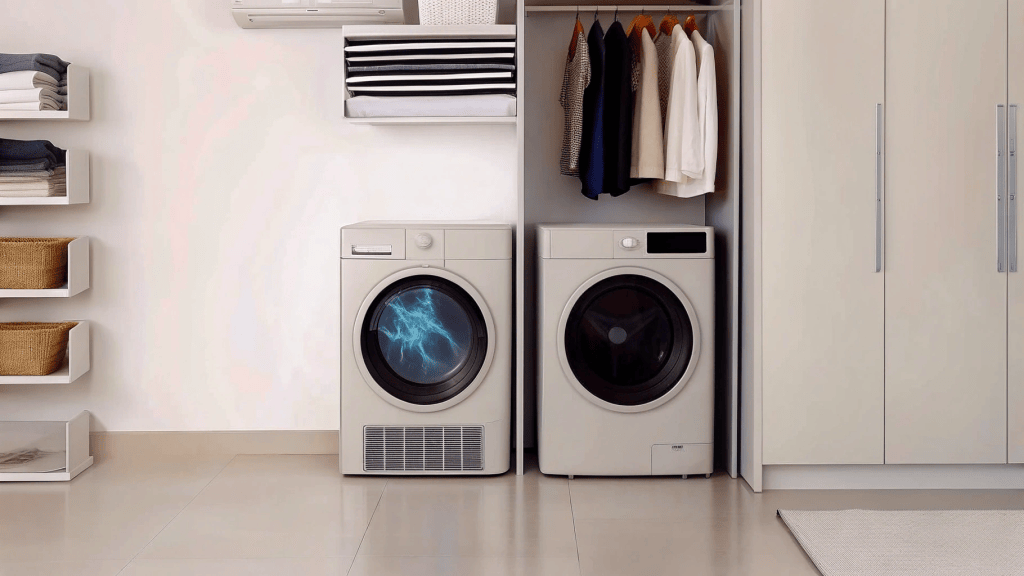
Choosing a dryer is not simply about finding a machine that dries clothes quickly. The drying technology inside the appliance affects its energy consumption, drying temperature, fabric care and installation requirements.
This guide compares heat pump vs condenser vs vented dryers to help you understand which technology is better suited to your laundry routine, home layout and long-term priorities.
Quick comparison
Heat Pump vs Condenser vs Vented Dryer at a Glance
Best for energy efficiency, lower-temperature drying and gentler fabric care.
Best for flexible, ventless installation where an external exhaust is unavailable.
Best for straightforward drying where a suitable external ventilation route is available.
In this dryer buying guide:
Dryer technology 01
How Does a Heat Pump Dryer Work?
A heat pump dryer uses a closed-loop drying system. Instead of continuously releasing hot air, it recovers and reuses heat within the machine to remove moisture from clothes. This allows it to operate at a lower temperature than many conventional dryers.
Benefits of a Heat Pump Dryer
- Lower energy consumption compared with conventional condenser and vented drying systems
- Lower drying temperatures
- Gentler care for everyday fabrics
- No external exhaust vent required
- Well suited to households that dry clothes frequently
Repeated exposure to high heat may contribute to fabric wear, shrinkage and color fading. A lower-temperature cycle can be a better match for households that regularly dry delicate or frequently worn garments.
Recommended Heat Pump Dryers
10kg capacity
LG 10kg Dual Inverter Heat Pump Dryer with Auto Cleaning Condenser
A large-capacity heat pump dryer designed for efficient drying, with an auto-cleaning condenser that helps simplify regular maintenance.
8kg capacity
Electrolux 8kg UltimateCare 500 Heat Pump Dryer
A practical option for smaller households seeking energy-efficient, lower-temperature drying in a more compact capacity.
Dryer technology 02
How Does a Condenser Dryer Work?
A condenser dryer uses heated air to draw moisture from laundry. The moisture is then condensed into water and collected in a tank or directed to a suitable drain, depending on the model and installation setup.
Benefits of a Condenser Dryer
- Does not require an external exhaust vent
- Offers flexible placement in many homes
- Suitable for enclosed laundry areas when installed according to the manufacturer’s requirements
- Provides straightforward everyday drying
A conventional condenser dryer will generally use more energy than a heat pump dryer. However, it can still be a practical option where ventless installation is the main priority.
Some dryers combine heat pump technology with a condenser system. In this setup, the heat pump manages how heat is reused while the condenser handles moisture removal. Always check the full product specifications rather than relying on one label alone.
Recommended Ventless Dryers
Heat pump + condenser
LG 10kg Dual Inverter Heat Pump Dryer with Auto Cleaning Condenser
This model demonstrates how heat pump drying and condenser technology can work together in the same appliance.
10kg capacity
Toshiba 10kg Heat Pump Tumble Dryer
A roomy ventless dryer option for households that regularly handle larger laundry loads.
Dryer technology 03
How Does a Vented Dryer Work?
A vented dryer heats air to remove moisture from clothes, then releases the warm and humid air outside through an exhaust vent. Its design is relatively simple, but it requires a suitable route for external ventilation.
Benefits of a Vented Dryer
- Simple and familiar drying technology
- Potentially faster cycles, depending on the model and load
- Often has a lower initial purchase price
- Typically offers straightforward controls
The main limitation is installation. A vented dryer may be less convenient in condos, apartments or enclosed laundry rooms without a suitable external exhaust route. Because heated air is released rather than reused, it is also generally less energy efficient than heat pump technology.
Recommended Vented Dryer
8kg capacity
Haier 8kg Vented Dryer
A straightforward vented model for homes with a suitable ventilation setup and everyday drying needs.
Side-by-side comparison
Heat Pump vs Condenser vs Vented Dryer
| Feature | Heat Pump | Condenser | Vented |
|---|---|---|---|
| Energy efficiency | Highest of the three | Moderate | Generally lower |
| Drying temperature | Lower | Typically higher | Typically higher |
| Fabric care | Gentler drying | Depends on model and programme | Depends on heat and cycle selection |
| External vent required | No | No | Yes |
| Cycle speed | May take longer | Moderate | Potentially faster |
| Best suited to | Frequent drying and long-term energy savings | Flexible ventless installation | Homes with an external ventilation route |
How Drying Technology Affects Energy Consumption
Heat pump dryers are usually the most energy-efficient option because they recover and reuse heat. Conventional condenser dryers provide ventless convenience but typically consume more electricity. Vented dryers release heated air outside, so more heat is lost during operation.
Typical energy-efficiency ranking
1 Heat Pump Dryer
2 Conventional Condenser Dryer
3 Vented Dryer
Actual energy use still depends on the load size, selected programme, dryer capacity, remaining moisture, washing machine spin speed and how frequently the appliance is used.
How Does Dryer Technology Affect Fabric Care?
Drying temperature and cycle duration can affect how clothes age over time. Heat pump dryers use lower temperatures, which may offer gentler care for frequently dried garments. Conventional condenser and vented models may operate at higher temperatures, although the result varies by model and programme.
Whichever technology you choose, check clothing care labels and use the correct programme for cotton, synthetics, delicates and mixed fabrics.
Which Dryer Dries Clothes Faster?
Drying time depends on airflow, load size, fabric type, spin speed, remaining moisture and the selected programme. A vented dryer may complete some loads relatively quickly, while a heat pump dryer can take longer because it works at a lower temperature.
For households that use a dryer often, lower energy consumption and gentler fabric care may be more valuable than saving a few minutes per cycle.
Decision guide
Which Dryer Technology Is Best for Your Home?
Choose a Heat Pump Dryer if you:
- Dry clothes frequently
- Prioritise energy efficiency
- Want lower-temperature fabric care
- Do not have an external ventilation route
Choose a Condenser Dryer if you:
- Need flexible ventless installation
- Have no suitable external exhaust
- Want a balance of convenience and everyday performance
- Are comfortable emptying a water tank or connecting a drain where required
Choose a Vented Dryer if you:
- Have a suitable external ventilation route
- Prefer simple drying technology
- Value potentially faster cycles
- Want a straightforward appliance design
Before you buy
What Else Should You Check Before Buying a Dryer?
1. Dryer Capacity
Choose a capacity that matches your washing machine and typical laundry load.
| Dryer Capacity | Generally Suitable For |
|---|---|
| 7–8kg | Smaller households and lighter loads |
| 8–10kg | Couples and medium-sized families |
| 10kg and above | Larger households, bedding and heavier loads |
2. Moisture Sensors
Sensor Dry programmes monitor moisture and stop the cycle when the selected dryness level is reached. This can help reduce unnecessary drying time and exposure to heat.
3. Useful Drying Programmes
Look for programmes that match the fabrics you wash most often, such as:
- Cotton
- Synthetics
- Delicates
- Mixed loads
- Towels
- Sportswear
- Quick dry
4. Installation Requirements
Before purchasing, confirm whether the dryer needs external ventilation, a drainage connection, manual water-tank emptying, clearance around the appliance or a particular electrical setup. These checks are especially important in condos, apartments and enclosed laundry spaces.
The Final Verdict
There is no single dryer technology that is perfect for every home. A heat pump dryer is the strongest choice for energy efficiency and gentler drying, a condenser dryer offers convenient ventless installation, and a vented dryer provides a simple solution where external ventilation is available.
The best choice depends on how often you dry clothes, your available space, installation options, electricity priorities and the types of fabrics your household regularly washes.
Continue reading
Want to Learn More Before Choosing Your Next Laundry Appliance?
Smart Buy 2025: Electrolux Washing Machine for Malaysian Homes
Explore the features that can make an Electrolux washing machine a practical choice for everyday laundry needs in Malaysia.
Best 2-in-1 Washer Dryer in Malaysia
Compare smart washer-dryer technology from Samsung and LG if you are considering an all-in-one laundry solution.
Find your ideal dryer
Ready to Choose a Dryer?
Explore the latest heat pump, condenser and vented dryers at senQ and compare capacities, programmes and features for your home.