



How Inverter Air Conditioners Help You Save on Electricity Bills

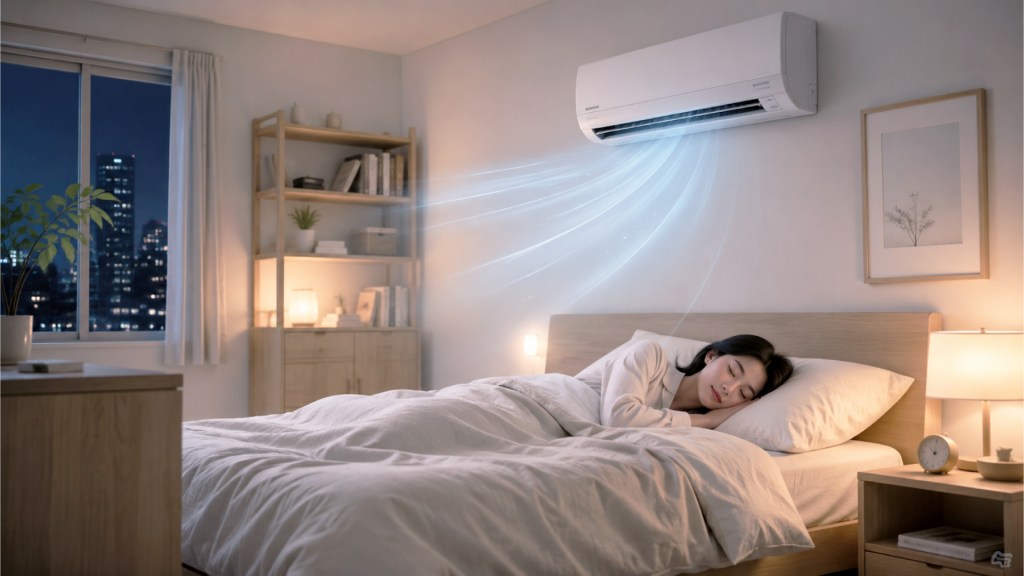
With Malaysia's warm climate, air conditioners have become an essential part of everyday life. However, staying cool often comes with higher electricity bills, especially if your air conditioner is used for long hours every day.
If you're looking for a smarter way to stay comfortable without significantly increasing your monthly energy costs, an inverter air conditioner could be the answer. Designed to optimise power consumption while maintaining consistent cooling performance, inverter technology helps reduce electricity consumption without compromising comfort.
Choosing an energy-efficient inverter air conditioner is one of the simplest ways to enjoy consistent cooling while reducing long-term electricity costs.
Why Air Conditioners Consume So Much Electricity
Air conditioners are among the most energy-intensive appliances in many Malaysian households because they rely on a compressor to remove heat from indoor air and maintain a comfortable temperature. In general, the longer your air conditioner operates, the more electricity it consumes.
Several factors can influence your overall energy usage, including the size of your room, the horsepower (HP) of your air conditioner, your preferred temperature setting, how many hours you use it each day, and whether the unit is regularly cleaned and serviced. The type of air conditioner you choose whether inverter or non-inverter, can also have a significant impact on your monthly electricity bill.
Understanding these factors not only helps you use your air conditioner more efficiently but also makes it easier to choose the right model for your home and lifestyle.
How Inverter Technology Saves Energy?
The biggest difference between an inverter and a non-inverter air conditioner lies in how the compressor operates. Since the compressor is the component that consumes the most electricity, the way it functions has a direct impact on energy consumption.
Unlike non-inverter air conditioners that repeatedly switch the compressor on and off to maintain the desired temperature, inverter air conditioners continuously adjust the compressor speed according to the room's cooling needs.
Once the desired temperature is reached, the compressor slows down rather than shutting off completely. By continuously adjusting its operating speed and avoiding frequent restarts, the compressor consumes less electricity while maintaining a more consistent indoor temperature.
The table below summarises the key differences between inverter and non-inverter air conditioners.
Feature | Inverter Air Conditioner | Non-Inverter Air Conditioner |
Compressor Operation | Adjusts speed continuously | Repeatedly switches on and off |
Cooling Performance | Stable and consistent | Temperature fluctuates more |
Energy Consumption | Lower | Higher |
Noise Level | Quieter | Louder during restart |
8 Practical Ways to Save Electricity When Using Your Air Conditioner
Even if you already own an inverter air conditioner, adopting smart usage habits can further improve energy efficiency and help lower your monthly electricity bills. Here are eight simple ways to maximise your air conditioner's efficiency, save electricity, and lower your monthly electricity bills.
- Set the Temperature Between 24°C and 26°C
Setting your air conditioner between 24°C and 26°C helps maintain a comfortable indoor environment while reducing unnecessary energy consumption.
- Clean the Air Filters Regularly
Dust and dirt can restrict airflow, causing your air conditioner to work harder to cool the room. Cleaning the filters regularly helps maintain efficient performance and reduces electricity usage.
- Keep Doors and Windows Closed
Closing doors and windows prevents cool air from escaping and warm air from entering, allowing your air conditioner to cool the room more efficiently.
- Use Eco Mode When Available
Many modern inverter air conditioners include an Eco Mode that automatically optimises cooling performance while reducing power consumption.
- Make Use of Timers
Setting a timer allows your air conditioner to switch off automatically while you sleep or after you've fallen asleep, preventing unnecessary energy usage.
- Choose the Right Horsepower (HP)
Selecting the appropriate horsepower based on your room size ensures efficient cooling. An air conditioner with too little or too much horsepower may consume more electricity than necessary while providing less efficient cooling.
7. Ensure Proper Installation
Proper installation allows your air conditioner to operate more efficiently by improving airflow and overall cooling performance. Always have your unit installed by qualified professionals.
- Schedule Regular Servicing
Routine servicing helps keep your air conditioner running efficiently, improves cooling performance, and prevents unnecessary electricity consumption caused by dust or worn components.
How Much Can You Save with an Inverter Air Conditioner?
The amount you can save depends on several factors, including your daily usage, room size, air conditioner capacity, and electricity tariff. However, under similar operating conditions, inverter air conditioners generally consume less electricity than non-inverter models because they continuously adjust the compressor speed instead of repeatedly switching it on and off.
To illustrate the difference, here's a simplified example comparing the estimated monthly electricity consumption of an inverter and a non-inverter air conditioner under the same operating conditions. Actual power consumption may vary depending on the model and usage conditions.
Example | Inverter Air Conditioner | Non-Inverter Air Conditioner |
Average Power Consumption | 0.6 kW | 0.9 kW |
Daily Usage | 8 hours | 8 hours |
Daily Energy Consumption | 4.8 kWh | 7.2 kWh |
Monthly Energy Consumption | 144 kWh | 216 kWh |
Estimated Electricity Cost* | RM72/month | RM108/month |
*Example calculation based on an estimated electricity tariff of RM0.50/kWh. Actual electricity costs may vary depending on your usage habits and the applicable TNB tariff.
In this example, choosing an inverter air conditioner could reduce your electricity bill by approximately RM36 per month, adding up to around RM432 per year. The more frequently you use your air conditioner, the greater the potential long-term savings.
While this example is for illustration purposes only, it shows how lower energy consumption can translate into meaningful savings over time. Actual savings will vary depending on factors such as your daily usage, room size, air conditioner capacity, and electricity tariff.
Although inverter air conditioners typically have a higher upfront cost, the additional investment may be recovered over time through lower electricity bills. For households that use air conditioning every day, these long-term savings can make upgrading to an inverter model a worthwhile investment.
Should You Upgrade to an Inverter Air Conditioner?
If you use your air conditioner regularly, upgrading to an inverter model can be a worthwhile investment. Whether you use it every night, work from home or simply want a more comfortable indoor environment, an inverter air conditioner offers better energy efficiency and more consistent cooling than a conventional model.
Besides helping to reduce electricity consumption, inverter air conditioners operate more quietly and maintain a steadier room temperature by continuously adjusting the compressor speed. This not only improves overall comfort but also reduces wear and tear on the compressor, helping to extend the unit's lifespan.
While the initial purchase cost may be higher, the long-term savings on electricity bills and improved everyday performance make an energy-efficient inverter air conditioner a smart choice for many Malaysian households.
Recommended Energy-Efficient Inverter Air Conditioners
Choosing the right inverter air conditioner depends on your room size, cooling requirements, and daily usage. To help you get started, here are some recommended inverter air conditioners available at senQ, with a range of capacities to suit different household needs.
Product | Best For | Highlights |
Everyday home use | Energy-efficient inverter cooling with multiple HP options | |
Bedrooms | Quiet operation for comfortable bedroom use | |
Small to medium-sized rooms | Efficient inverter cooling for everyday comfort | |
Medium to large living spaces | Consistent cooling across different room sizes | |
Large rooms | Higher cooling capacity for spacious areas | |
Various room sizes | Available in multiple capacities for different room sizes |
Browse the recommended models below to compare their features, specifications, and available capacities. Simply click on any product to learn more and find the inverter air conditioner that best suits your home.
Stay Cool While Saving More
Keeping your home cool doesn't have to mean paying higher electricity bills. By choosing an energy-efficient inverter air conditioner and adopting smart usage habits, you can enjoy greater comfort while reducing your monthly energy costs.
Whether you're replacing an older unit or purchasing your first air conditioner, investing in an inverter model can deliver long-term value through improved energy efficiency, consistent cooling performance, and lower running costs.
Explore senQ's wide selection of inverter air conditioners and make the most of the latest Untung Gila offers.